Digital Hike Header

Top 10 Advertising Fails That Became Famous: Lessons for Brands

Every marketer dreams of an ad that goes viral. Not every marketer thinks through what “viral” can also mean. Some of the biggest names in business have put out campaigns that were meant to inspire, and instead ended up as case studies in what not to do. A wrong word, a badly chosen image, a joke that doesn’t land and suddenly the brand is trending for all the wrong reasons.

These moments are uncomfortable, but they’re also useful. Here are ten well-documented advertising fails, and what they can teach any brand still figuring out how to get it right.
1. Pepsi and the Kendall Jenner Ad (2017)

Top 10 Advertising Fails

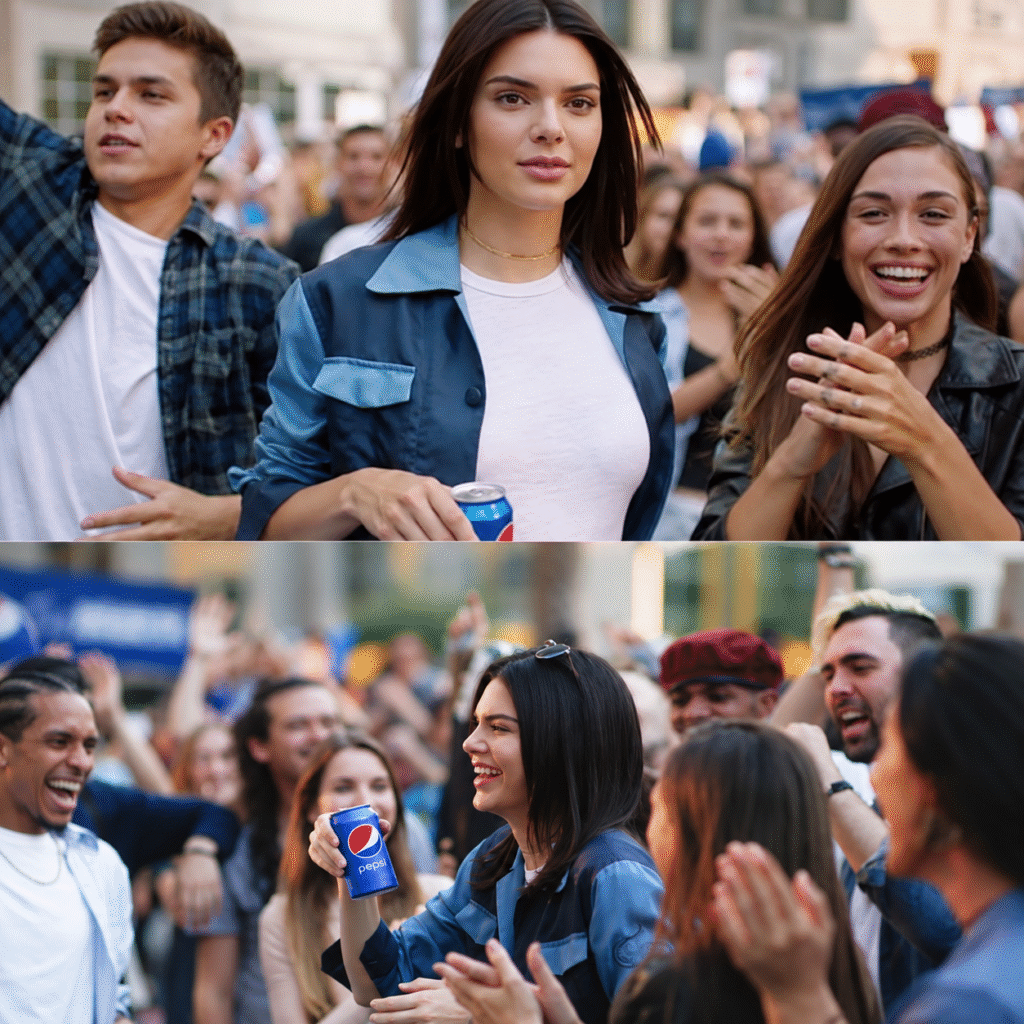
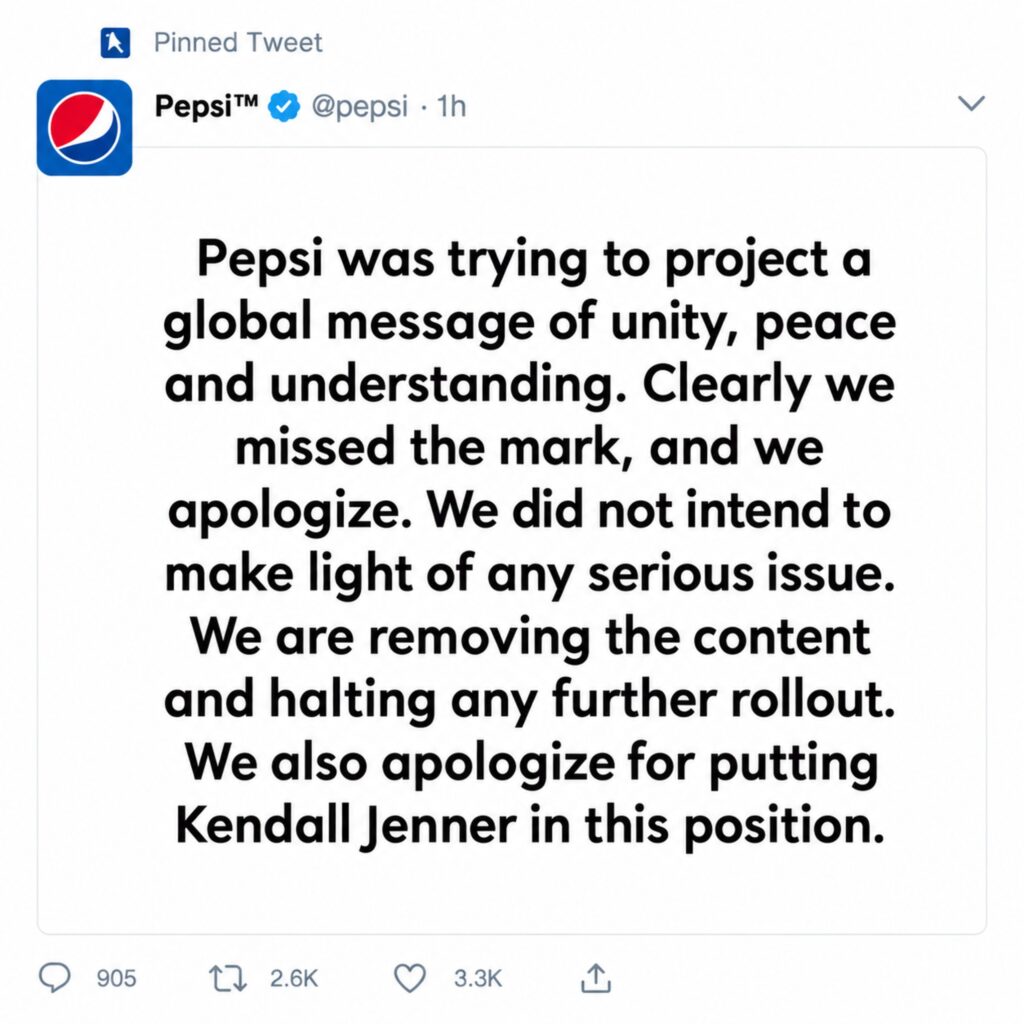
The idea looked harmless on paper: Kendall Jenner steps away from a photoshoot, joins a street protest, and hands a police officer a can of Pepsi to ease the tension. In practice, it read like Pepsi was borrowing the imagery of real protest movements, including Black Lives Matter, to sell soda. The backlash was instant, and Pepsi pulled the ad within a day, admitting it had missed the mark. Pepsi’s takeaway: intent doesn’t matter much once an audience decides the imagery feels exploitative. What the rest of us should take from it if your ad borrows the visuals of a real movement, ask whether you’re supporting it or just using it as a backdrop.

2. McDonald's #McDStories (2012)

Top 10 Advertising Fails

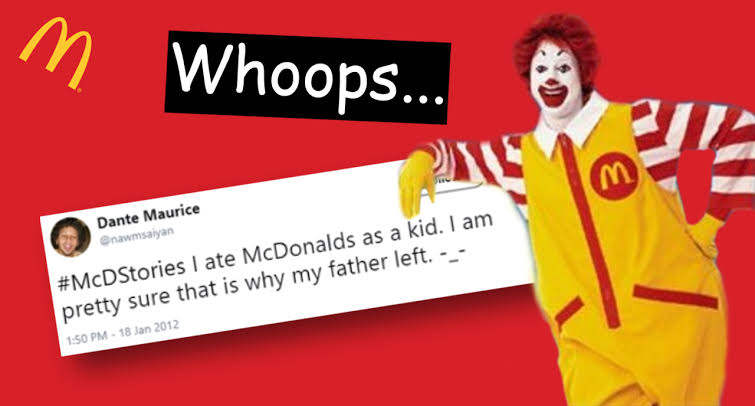
McDonald’s wanted a hashtag full of warm, nostalgic customer stories. What it got instead was a flood of complaints about food and service, all filed neatly under its own branded tag. The campaign was scrapped within hours. McDonald’s lesson was that you can’t script what people say once you’ve handed them a megaphone. For everyone else, it’s a reminder to pressure-test any campaign that invites the public to talk back because they will, and not always the way you hoped.

3. Dove's Body Wash Ad (2017)

Top 10 Advertising Fails

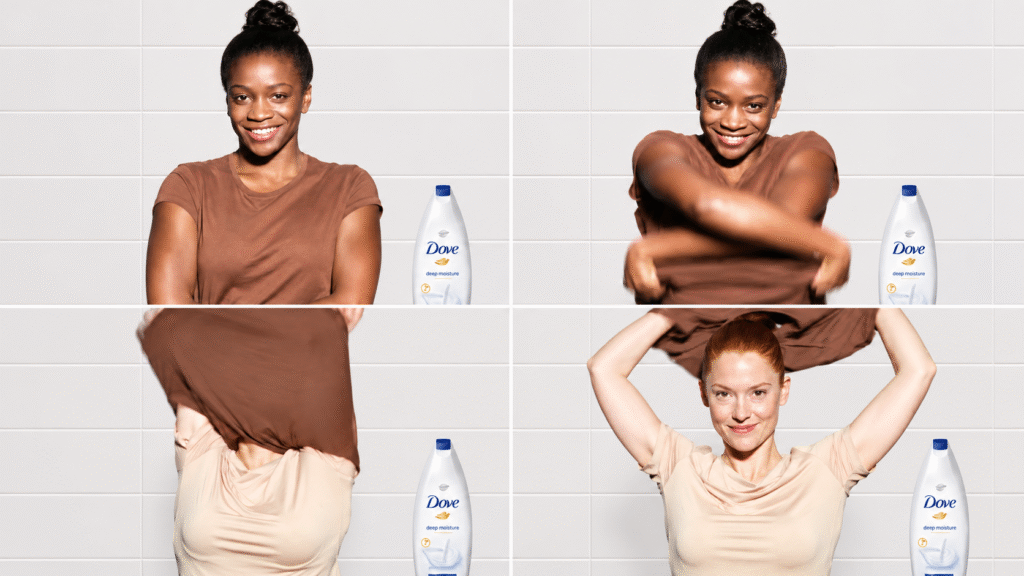
A short clip on Dove’s Facebook page showed a Black woman removing her top to reveal a white woman underneath. Whatever the intent, plenty of viewers read it as an echo of old, racist “before and after” skin-lightening ads. Dove apologised and later leaned harder into diverse casting for its Real Beauty work. The bigger lesson: a concept can look fine to the people who made it and still land badly with the people watching which is why review has to happen outside the room where it was created.

4. H&M's "Coolest Monkey in the Jungle" (2018)

Top 10 Advertising Fails

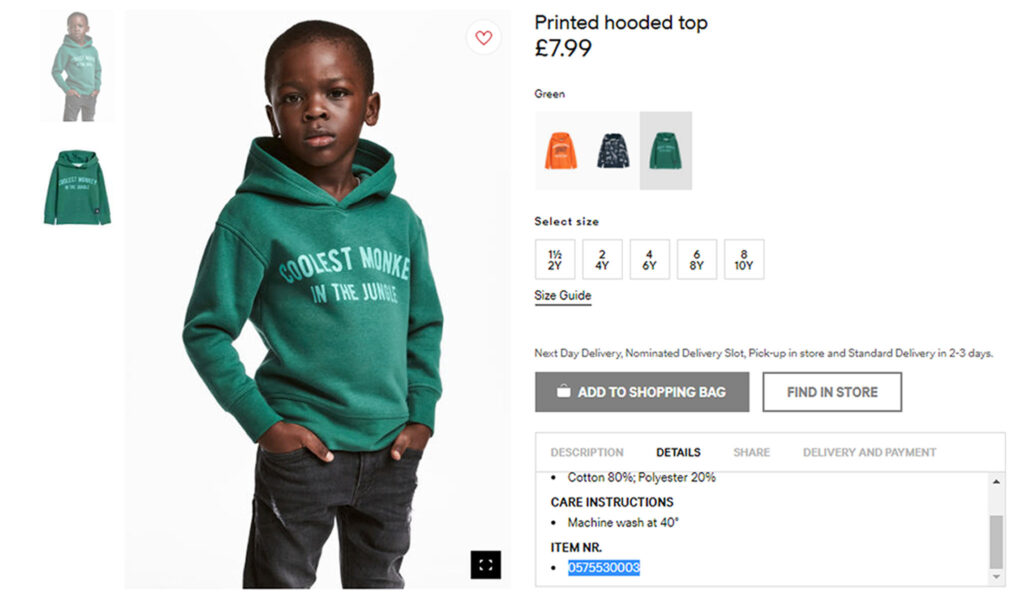
H&M put a Black child model in a hoodie printed with “Coolest Monkey in the Jungle.” The backlash was fast and global, including store protests in South Africa. The brand pulled the product and apologised. H&M’s takeaway: a single overlooked word can undo an entire campaign. For other brands, no piece of creative is too small to skip a cultural check before it goes to print

5. Audi's China Wedding Ad (2017)

Top 10 Advertising Fails

In this one, a groom’s mother inspects his bride the way you’d inspect a used car — checking her teeth, tugging her ear — before giving her approval. Audi meant it as dark humour. Audiences mostly saw it as degrading toward women, and the apology followed soon after. Audi’s own lesson was that “edgy” doesn’t automatically mean “acceptable.” For brands elsewhere, it’s a reminder that an analogy sounding clever in a pitch meeting can look very different once it’s filmed and shown to strangers.

6. Burger King UK — "Women Belong in the Kitchen" (2021)

Top 10 Advertising Fails

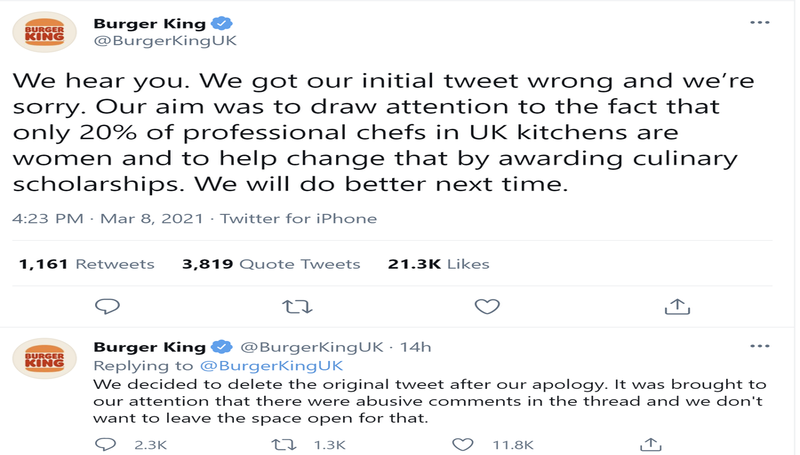
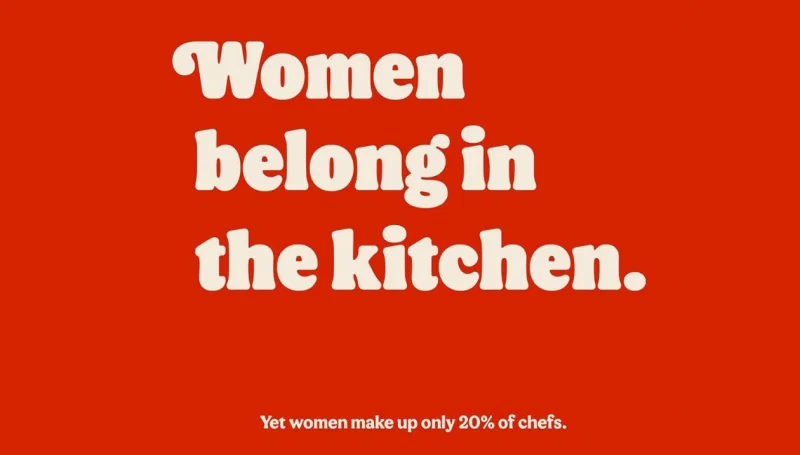
For International Women’s Day, Burger King’s UK account tweeted “Women belong in the kitchen,” planning to follow up with a message supporting female chefs. Nobody stuck around for part two the internet reacted to the first line alone, and the tweet was deleted soon after. Burger King’s lesson was that a provocative opener needs to work on its own, not just as a setup. For anyone running social campaigns, it’s a warning against leading with a line that only makes sense once you’ve read the rest.

7. Protein World's "Are You Beach Body Ready?" (2015)

Top 10 Advertising Fails

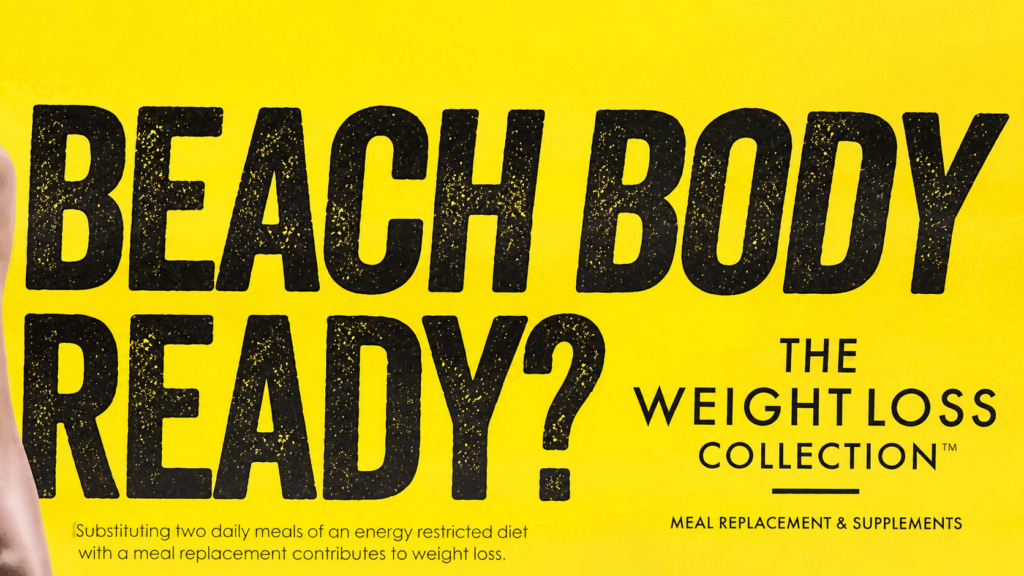
This UK subway ad paired a bikini model with a pointed question about being “beach body ready.” It became one of the most complained-about ads in British advertising history, criticised for pushing an unrealistic body standard onto commuters who hadn’t asked for the opinion. Protein World stood by the ad, but the volume of formal complaints turned it into a talking point in UK ad regulation discussions. The lesson for other brands is simpler: not every message needs to double as a comment on someone’s body.

8. Sony PSP's "White Is Coming" (2006)

Top 10 Advertising Fails

To promote a white version of the PSP in the Netherlands, Sony ran a billboard showing a white woman gripping a Black woman’s face, under the line “White is coming.” It was taken down quickly after accusations of racism, and Sony apologised soon after. Sony’s takeaway was that a colour-launch pun isn’t worth the risk if the visual can be read another way. The broader lesson: a metaphor needs to survive contact with a real, diverse audience before it reaches a billboard.

9. GAP's Logo Redesign (2010)

Top 10 Advertising Fails

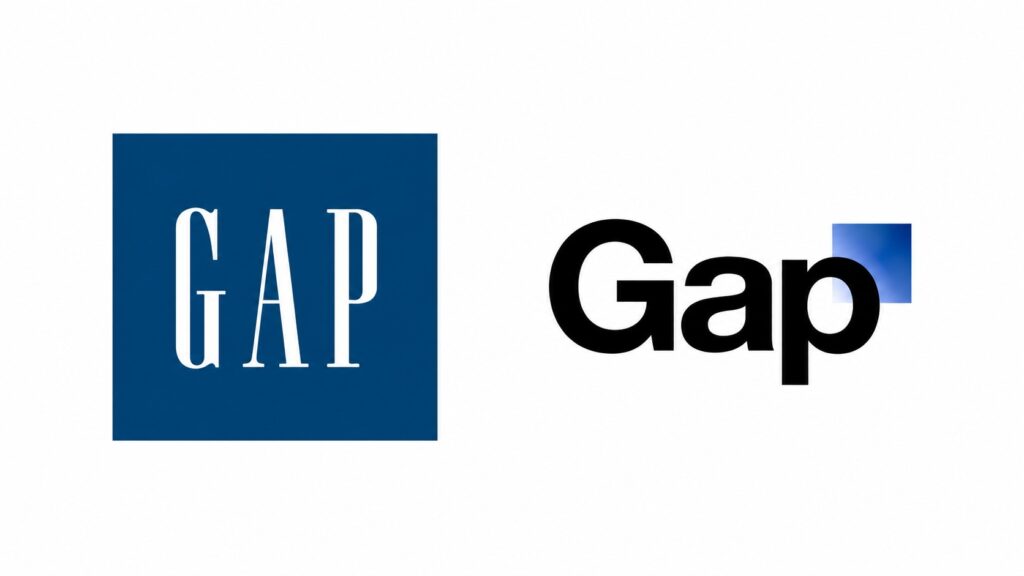
GAP swapped its recognisable logo for a generic new design with zero warning to customers. The internet turned on it almost instantly, and within a week GAP quietly brought the old logo back. GAP’s lesson was that even small internal decisions can feel like a betrayal to a loyal customer base. For other brands, it’s a nudge to test big visual changes with real customers before treating them as done deals.

10. Snickers' "Hungry" Campaign, Regional Missteps

Top 10 Advertising Fails

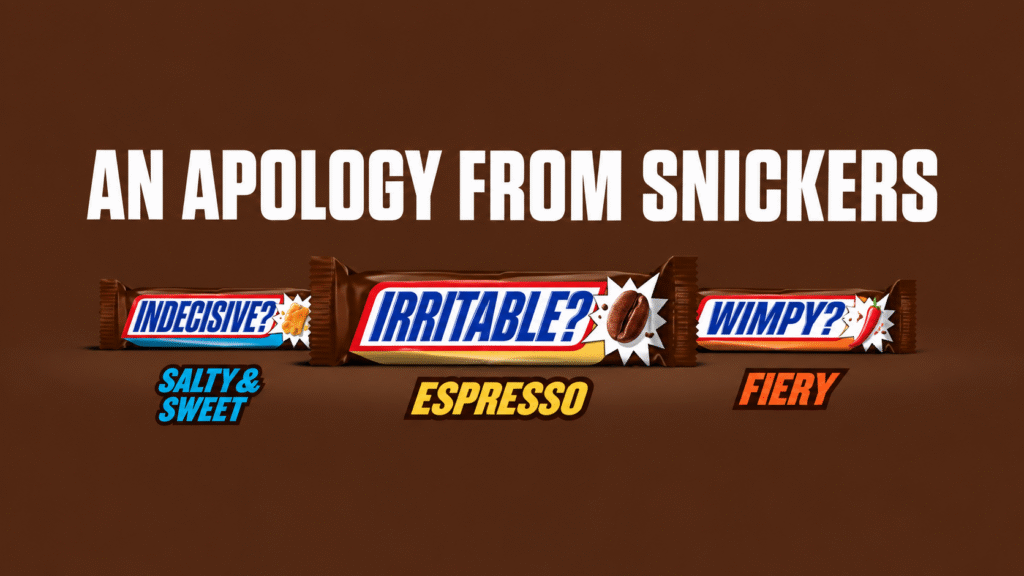
Snickers built a global hit around “you’re not you when you’re hungry.” But a few regional adaptations leaned on stereotypes around gender or behaviour that didn’t sit well locally, and some versions were quietly revised or pulled after complaints. Snickers’ lesson was that a winning global concept still needs local eyes on it before launch. For everyone else, “it worked everywhere else” isn’t the same as “it will work here.”

Final Thought

If there’s one thread running through all of this, it’s that bold ideas still need careful strategy behind them. If you’re not sure whether your next campaign’s messaging will land the way you intend, that’s worth a proper conversation. Book a free consultation with Digital Hike, and we’ll help you build campaigns across Google Ads, Meta Ads, SEO, and social media backed by research instead of guesswork. Call us at 9187138887 / 9632811130.

Frequently Asked Questions

What is an advertising fail?

A campaign that backfires through poor judgment, insensitivity, or unclear messaging — drawing criticism instead of the response it was aiming for.

Usually some mix of weak audience research, rushed approvals, missing context, or messaging that’s too open to misinterpretation.

Ads tend to become controversial when they touch race, gender, or social issues without enough care or representation behind the scenes.

Yes, often longer than expected. Beyond the immediate backlash, repeated missteps chip away at trust even after an apology.

That a great creative idea still needs research, context, and testing behind it talent alone doesn’t guarantee good judgment.

Leave a Comment

Your email address will not be published. Required fields are marked *

Scroll to Top