
How Businesses Are Using Claude AI to Cut Marketing Costs
Marketing budgets have always been a battleground. Every rupee spent on a campaign is supposed to justify itself with a lead, a sale, or at the very least, a measurable bump in brand recall. But over the last couple of years, something has shifted. Businesses that once spent lakhs on copywriters, content teams, and research analysts are quietly redirecting a chunk of that spend toward AI tools — and Claude, built by Anthropic, has become one of the more trusted names in that shift.
This isn’t about replacing marketers. Anyone who tells you AI is going to wipe out marketing jobs is either selling you something or hasn’t actually tried running a full campaign through a chatbot. What’s really happening is narrower and more practical: businesses are using Claude to compress the time and cost of specific, repeatable marketing tasks, and reinvesting the savings into strategy, media spend, and creative work that actually needs a human hand. Here’s a closer look at how that’s playing out.
Content Production Without the Content Team Overhead
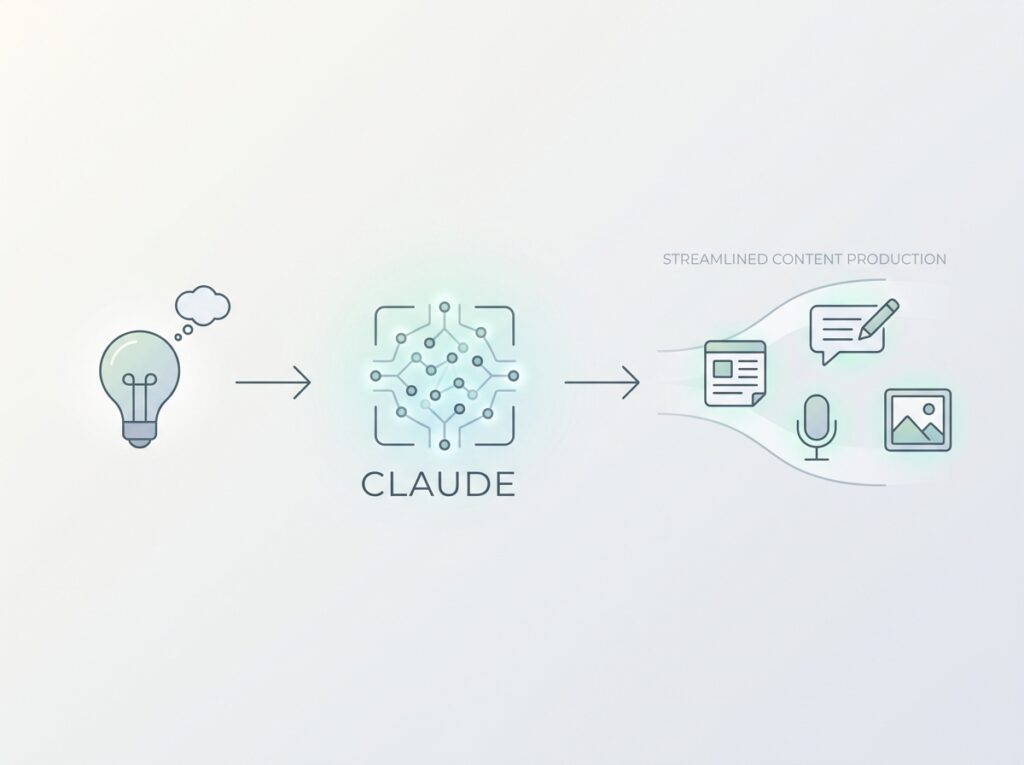
Content is expensive not because writing is hard, but because consistency is hard. A brand needs blog posts, product descriptions, email sequences, ad copy variations, and social captions — every week, without fail. Hiring a full in-house content team to handle that volume can easily run into several lakhs a month once you factor in salaries, editing, and revisions. Claude has become a first-draft engine for a lot of small and mid-sized businesses. A founder or marketing manager feeds it a brief — audience, tone, key selling points — and gets back a workable draft in minutes instead of days. The human still edits, fact-checks, and adds the brand’s personality, but the heavy lifting of structuring an argument or drafting ten ad variations no longer eats up an entire week of a copywriter’s time. For D2C and e-commerce brands especially, this matters. Product catalogs with hundreds of SKUs need unique, SEO-friendly descriptions, and doing that manually at scale was never realistic on a lean budget. Claude has made it possible to get through that backlog without hiring a dedicated writer for the sole purpose of describing t-shirts and skincare bottles.
Research and Competitive Analysis in Hours, Not Weeks
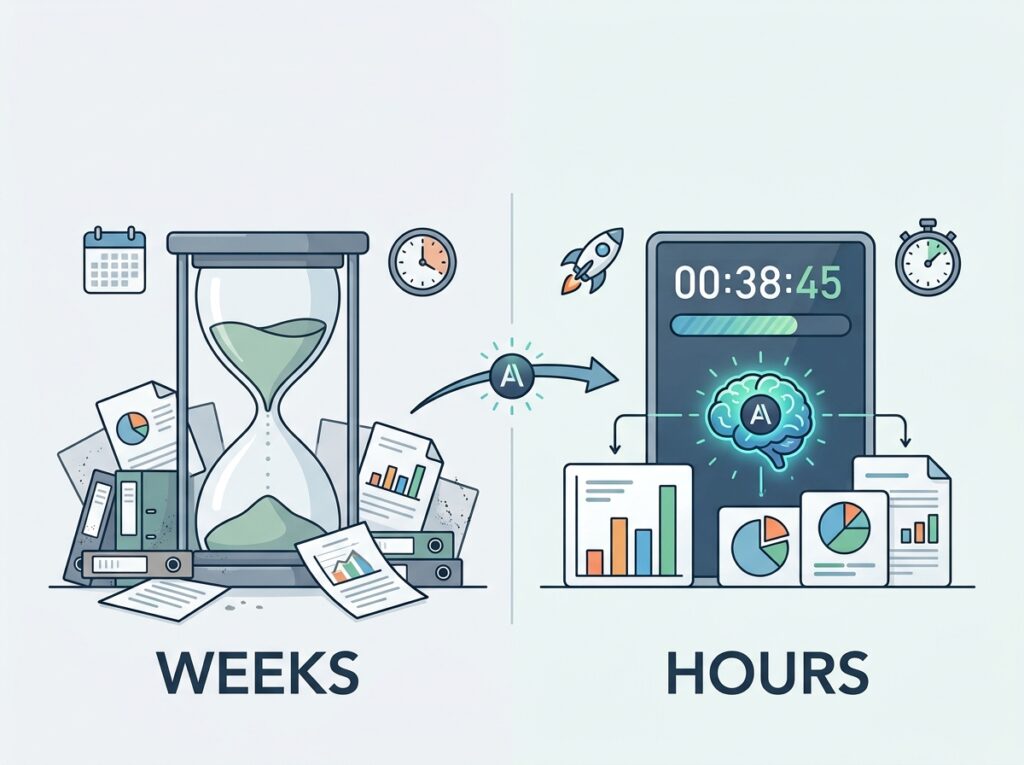
Before any campaign goes live, someone has to do the homework — what are competitors saying, what’s the tone of the category, what pain points keep showing up in reviews and comments. Agencies used to bill this as a separate research phase, sometimes taking a week and costing a client thousands of dollars before a single ad was written. Claude can process large volumes of text — reviews, articles, transcripts, reports — and summarize patterns almost instantly. A business can paste in fifty customer reviews and get a clean breakdown of recurring complaints and praise in a couple of minutes. That kind of insight used to require a small research team or an expensive third-party tool subscription. Now it’s part of the drafting process itself, folded into the same conversation where the campaign copy gets written.
Smaller Teams, Same Output
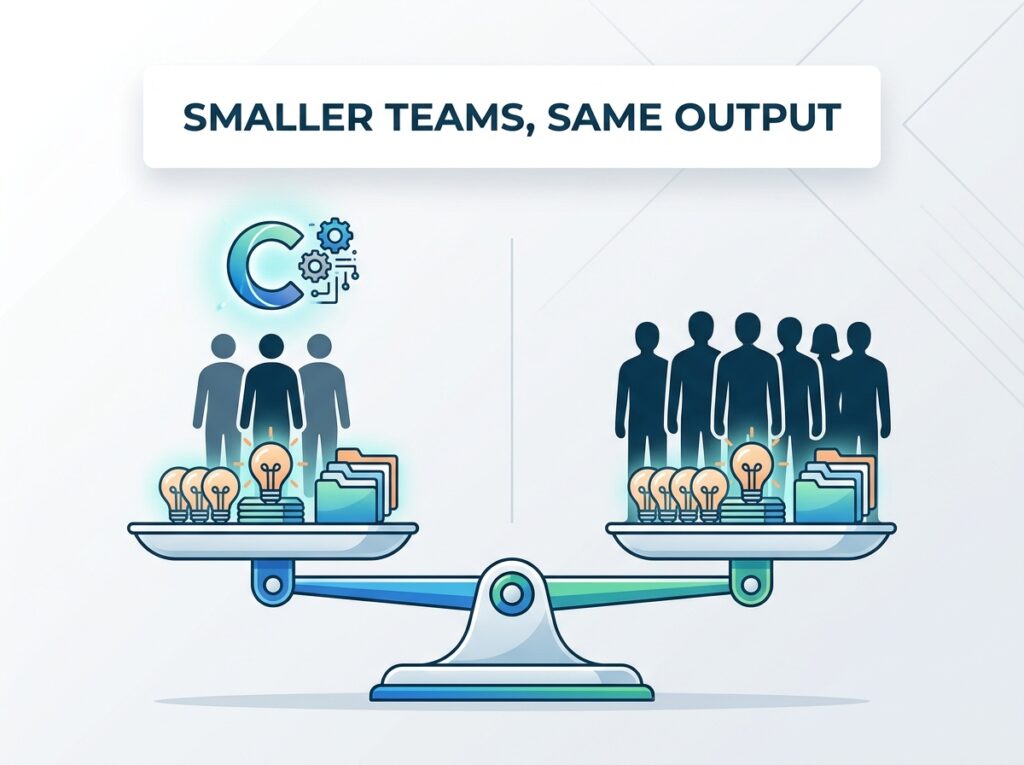
This is probably the biggest structural change. A lean team of two or three marketers, supported by AI tools, is now able to do what used to take a team of six or seven. That doesn’t necessarily mean layoffs — for most growing businesses, it means they can scale marketing output without scaling headcount at the same rate.
A startup launching in a new city, for instance, doesn’t need to hire a regional content writer for every market it enters. Claude can help draft localized messaging, adapt tone for different audience segments, and generate multiple versions of the same campaign for A/B testing — all without adding a single line item to the payroll.
Faster Iteration Means Fewer Wasted Ad Dollars
Performance marketing runs on iteration. The campaigns that work are rarely the first version — they’re the fifth or sixth, refined based on what the data shows. The problem has always been speed: writing, testing, and rewriting ad copy takes time, and time on a live campaign is money bleeding out through underperforming creative.
Claude shortens that loop considerably. Marketers can generate a dozen headline variations, tweak the angle based on early performance signals, and get new copy back in the same session. Instead of waiting for a copywriter to turn around a fresh batch of ad text, teams are testing and adjusting in near real time. Over a quarter, that speed advantage translates into real savings — less spend wasted on ads that were never going to convert, and a much shorter runway between “this isn’t working” and “here’s what we’re trying next.”

Customer Support and Engagement Without Ballooning Costs
Marketing costs don’t end once a customer clicks through — retention and support matter just as much, and they carry their own price tag. Businesses are increasingly using Claude to draft FAQ responses, WhatsApp automation scripts, and email nurture sequences that keep customers engaged without needing a large support or lifecycle marketing team behind every message.
For industries like real estate, fintech, and healthcare — where a single lead can take weeks to convert — this kind of always-on, low-cost nurturing has a direct impact on cost per acquisition. Instead of a human writing every follow-up message from scratch, Claude helps draft a strong base sequence that a smaller team refines and personalizes.
Where the Real Savings Come From
It’s worth being honest about something: Claude doesn’t replace strategy. It doesn’t understand your brand’s history, your market’s quirks, or what makes your audience tick unless someone tells it. The businesses seeing genuine cost reductions aren’t the ones blindly publishing whatever the AI outputs — they’re the ones using it to handle the repetitive, time-consuming groundwork so their actual marketers and strategists can focus on the decisions that need real judgment: positioning, media planning, creative direction, and reading the numbers.
That’s really the pattern across every example above. AI tools like Claude don’t cut costs by doing marketing on their own. They cut costs by removing the grunt work that used to require extra hires, extra hours, and extra budget — freeing up both money and time for the parts of marketing that still need a human brain behind them.
The Bigger Picture
For businesses trying to grow lean, the appeal isn’t that AI is flashy or trendy — it’s that it’s genuinely changing the unit economics of marketing. A smaller team can now produce more, test faster, and respond to the market quicker than before, without a proportional rise in cost.
That said, tools are only as good as the strategy guiding them. Businesses that pair AI efficiency with a clear brand strategy, strong creative direction, and data-backed performance marketing are the ones actually seeing the ROI show up in their numbers — not just in their content calendar. If you’re figuring out how to build that kind of strategy-first, AI-supported marketing engine for your own brand, that’s exactly the kind of work a full-stack growth partner can help you get right from day one.
Check out more uses of Claude Here ☝️