
100K Followers and Still No Sales?
There’s a specific kind of frustration that only shows up after you’ve “made it” on social media. You crossed 100K followers. The DMs are flowing, the comment section looks alive, maybe a brand even reached out for a collab. And yet — the sales dashboard tells a different story. Orders are flat. Revenue hasn’t moved the way the follower count has. Somewhere along the way, the metric that was supposed to mean something stopped translating into money.
If this sounds familiar, you’re not alone, and you’re definitely not doing something obviously wrong. This is one of the most common traps in modern marketing, and it usually comes down to a handful of fixable issues rather than one big failure.
Followers Are Not a Business Model

The uncomfortable truth first: a follower count is a vanity metric until proven otherwise. It looks great on a media kit, it feels good on a Tuesday morning when the number ticks up, but it says nothing about intent to buy. Someone can follow a page because the reels are entertaining, because a friend shared it, because the aesthetic is nice to scroll past — none of which has anything to do with wanting to purchase what that page is selling. Brands that grow an audience through viral content, giveaways, or follow-for-follow tactics often end up with exactly this problem. The audience is real, the engagement might even be real, but it was never built around a buying intent in the first place. It’s a room full of people, but most of them walked in for the free snacks, not to shop.
Check Who's Actually in the Room
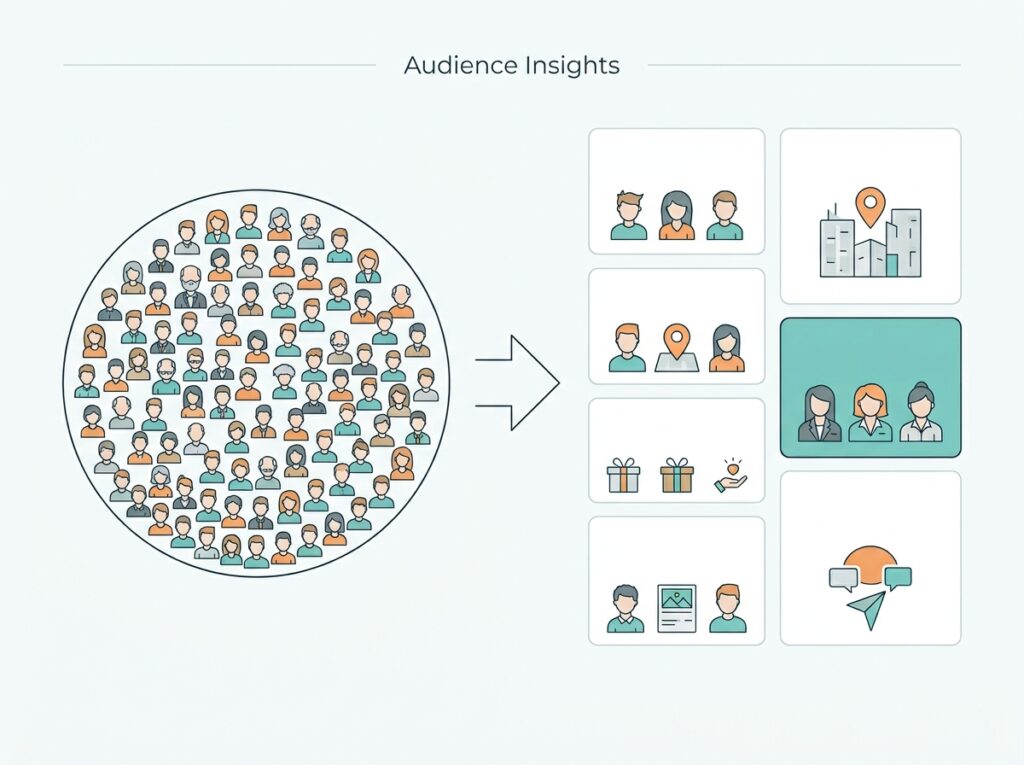
Before assuming the offer or the funnel is broken, it’s worth asking a more basic question: who are these 100K people? Pull the audience insights — age, location, and more importantly, how they arrived. If a big chunk of followers came from a giveaway, a viral meme repost, or an influencer shoutout aimed at a completely different demographic, that explains the disconnect immediately. A skincare brand targeting working women in their late 20s and 30s, for instance, might find that half its following is teenagers who liked one aesthetic reel and never saw the product page. The audience size is real. The audience fit is not. No amount of clever copywriting fixes a fundamentally mismatched audience.
The Content-to-Commerce Gap
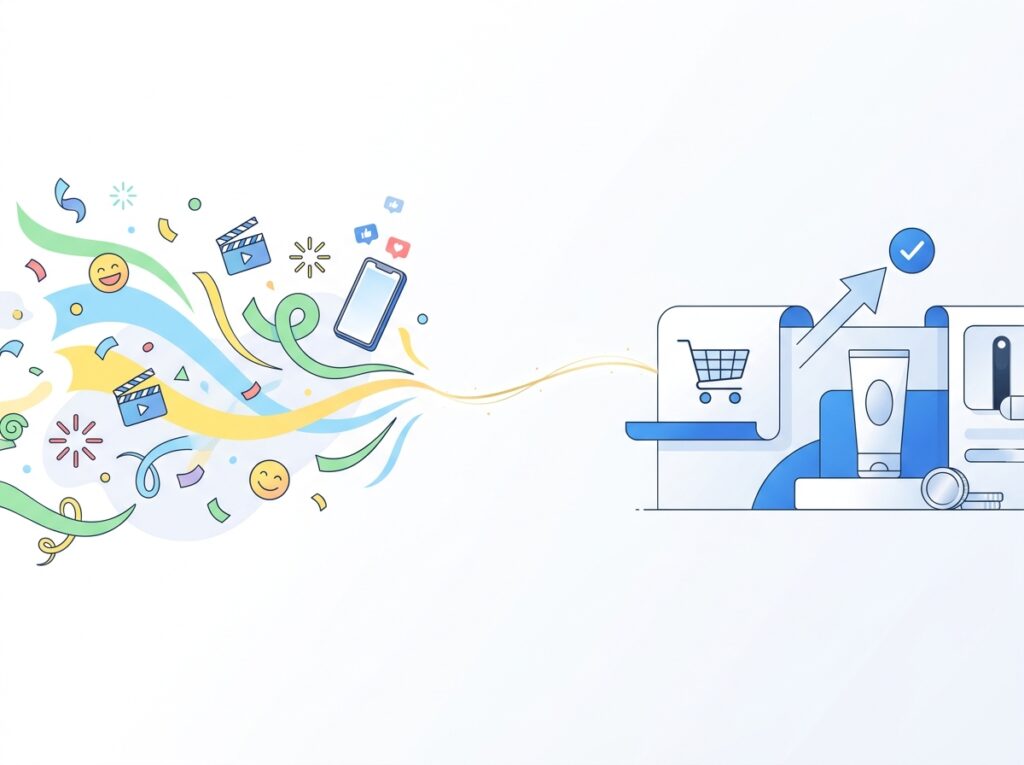
Here’s something a lot of brands don’t want to hear: content that’s built purely to entertain often trains an audience to expect entertainment, not offers. If every single post is a trend, a meme, or a relatable skit with zero mention of the product, the audience learns exactly one thing — this page exists for fun, not for shopping. That’s not an argument against entertaining content. It works, and it builds reach. But reach without a bridge to the product is just reach. Somewhere in that content mix, there needs to be a consistent, natural thread back to what’s actually being sold — not a hard sell every post, but enough presence that the audience doesn’t forget there’s a product behind the page at all.
Is There Actually a Clear Path to Buy?
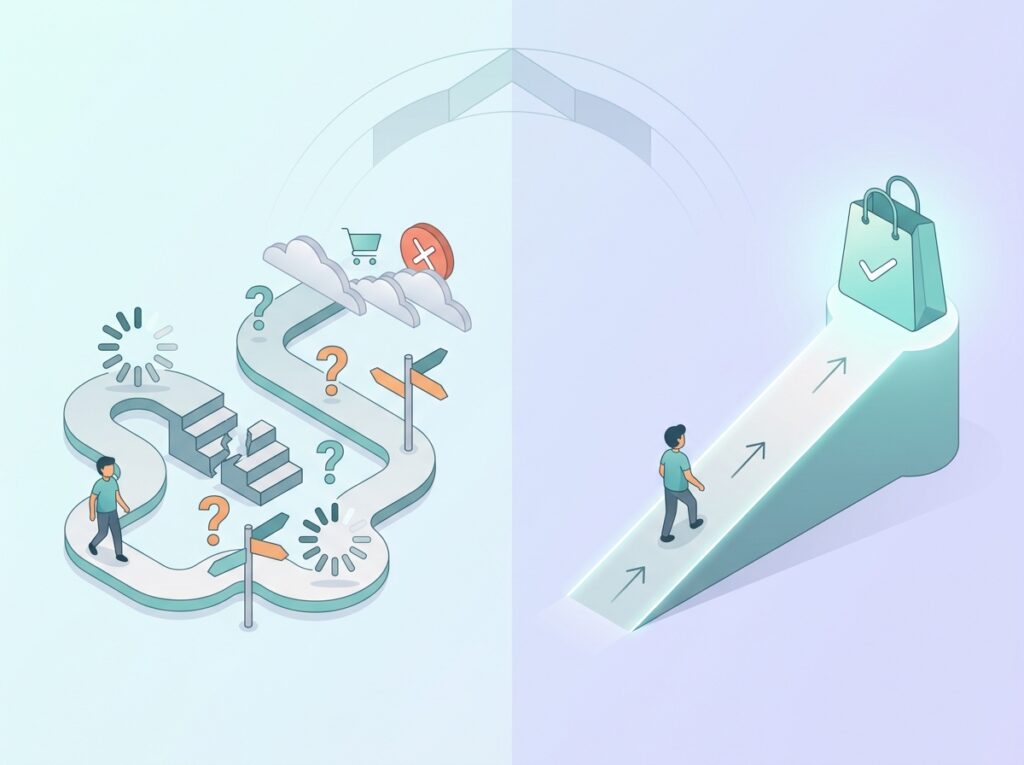
This is the part that gets overlooked constantly. Someone sees a reel, gets curious, taps the bio link — and lands on a slow website, a confusing product page, or a link-in-bio tool with six different destinations and no clear “buy now.” That’s a lost sale, not because the content failed, but because the path after the content failed. A quick audit worth running: from the moment someone taps your bio link, how many steps does it take actually to complete a purchase? If the answer is more than two or three, that’s likely where a good chunk of the interested audience is quietly dropping off. Page load speed, checkout friction, unclear pricing, missing trust signals like reviews or return policies — these small frictions add up and quietly kill conversions that the content itself already earned.
Trust Doesn't Come From Reach Alone
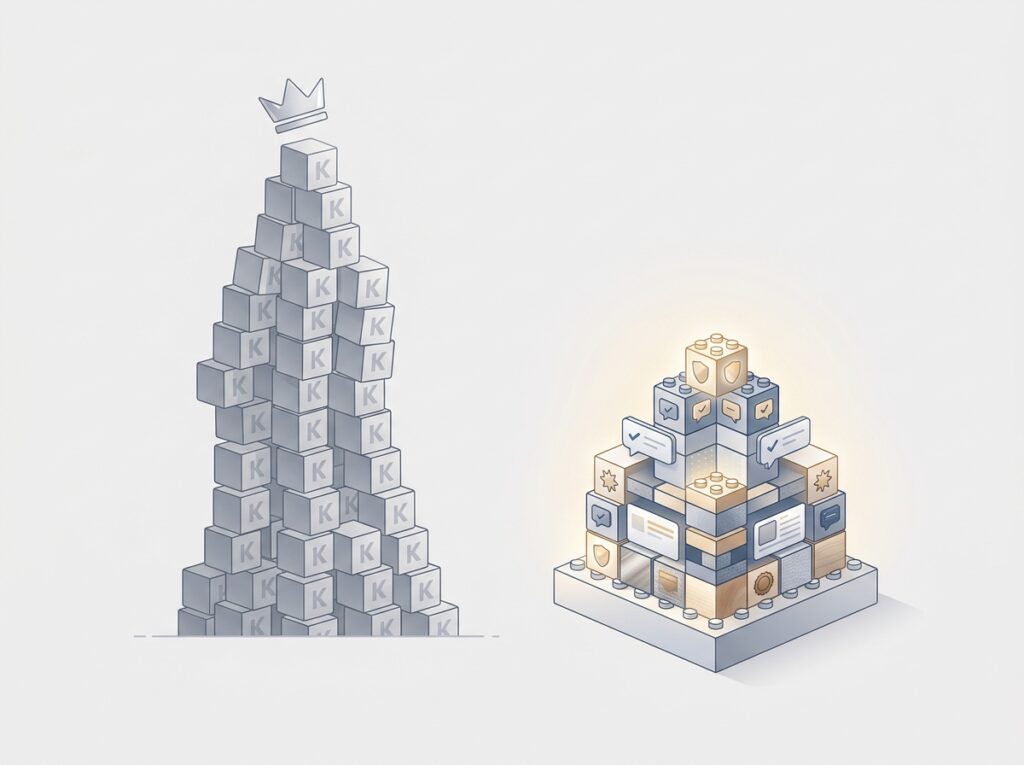
100K followers can create an illusion of authority, but trust is built differently than reach is. A person needs a reason to believe a brand is legitimate, that the product does what it claims, and that buying from an Instagram page rather than a big-name platform is actually safe. Without visible reviews, testimonials, real customer content, or some kind of social proof beyond the follower count itself, a lot of that curiosity never converts into a completed order. This is especially true for newer or smaller brands competing against established players. The follower count might look impressive, but a first-time visitor is comparing that against every other brand they’ve bought from before — and if the trust signals aren’t obviously there, hesitation wins.
Retargeting: The Step Most Brands Skip
Here’s a number that surprises a lot of business owners: most people don’t buy on the first visit, even when they’re genuinely interested. They see the post, they get curious, they get distracted by the next reel, and they move on — fully intending to come back, and then never do. Without a retargeting strategy — email capture, WhatsApp automation, or paid retargeting ads — that interest just evaporates. Brands with a large organic following but no paid retargeting layer are essentially leaking sales they’ve already half-won. A visitor who scrolled through five product photos and added something to the cart is warm. Letting that warmth cool off without a single follow-up message is one of the more expensive mistakes a growing brand can make.
So What Actually Fixes This?
There’s no single silver bullet, but the pattern across brands that do turn this around usually includes the same few moves: getting honest about who the audience actually is and whether it matches the customer profile, weaving product presence naturally into content instead of treating it as a separate, awkward category, tightening the actual buying journey so interested visitors don’t get lost between the bio link and checkout, building visible trust through reviews and real customer stories, and setting up a retargeting system that catches the people who almost bought and gently brings them back. None of this requires throwing away the audience that’s already been built. A 100K following is not wasted effort — it’s leverage that just hasn’t been pointed at the right funnel yet.
The Real Takeaway
Growing a following and growing a business are related, but they’re not the same skill, and they don’t happen automatically together. A brand can be excellent at content and still be leaving significant revenue on the table simply because the systems connecting attention to purchase were never built with the same intention as the content itself. If your numbers look like this — strong following, flat sales — the fix usually isn’t “post more.” It’s going back and rebuilding the bridge between the audience you’ve earned and the checkout page they need to reach. That’s less about chasing another 100K followers and a lot more about making the followers you already have actually worth having.