
7 Website Lead Generation Mistakes That Are Costing You Customers
It’s Not a Traffic Problem Anymore
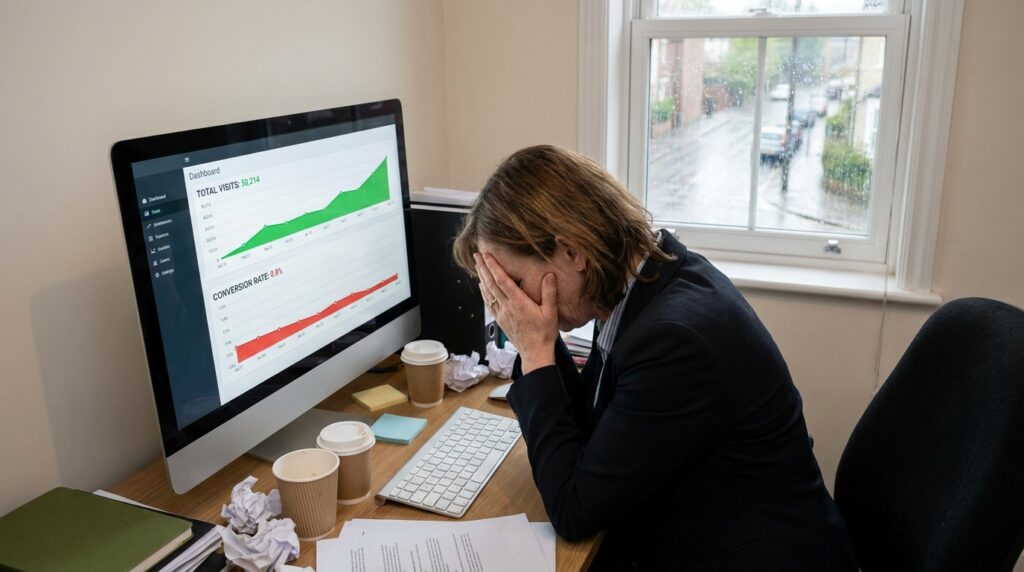
Website lead generation is one of the biggest challenges businesses face today. Most businesses assume their website isn’t performing because not enough people are visiting it. So the first instinct is always to increase traffic — run more ads, post more content, invest in SEO, hire influencers, or boost social media activity. While visibility is important, the real issue often begins after the visitor lands on the website. Businesses spend lakhs driving people to a platform that was never designed to convert them in the first place.
Today, users make decisions extremely fast. Within a few seconds, they subconsciously decide whether your business feels trustworthy, relevant, and worth their time. And surprisingly, that decision is rarely based on how “beautiful” the website looks. It is based on how clearly the website understands their problem.
Website Lead Generation Starts With Clear Messaging
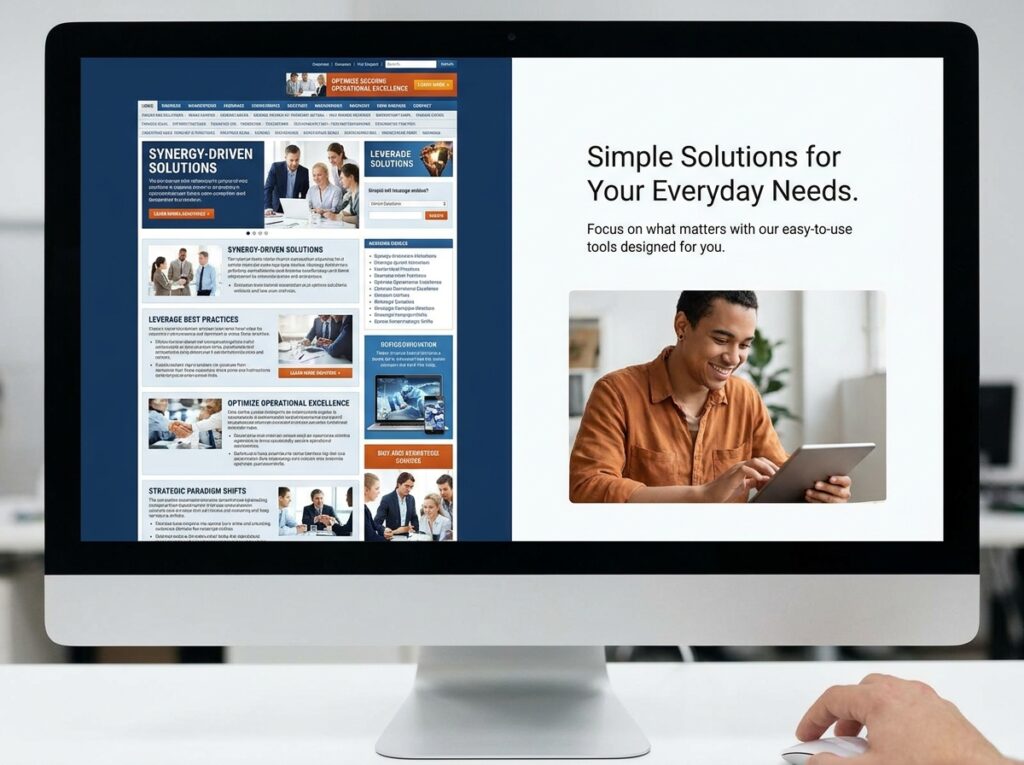
One of the biggest reasons websites fail to generate leads is because they sound like company brochures instead of human conversations. Visitors land on a homepage and immediately see phrases like:
“We are a leading provider of innovative solutions.”
The business believes this sounds professional, but the customer is thinking something completely different:
- Can this solve my problem?
- How quickly can they help me?
- Have they worked with people like me before?
- Can I trust them?
When a website focuses too much on its achievements, history, or generic claims, users struggle to emotionally connect with it. The most effective websites speak directly to real-life frustrations and needs.
For example, a fitness brand saying:
“Helping busy professionals stay fit without spending hours in the gym”
feels far more relatable than:
“Premium fitness solutions since 2018.”
One sounds corporate. The other sounds human.
That small shift in communication changes how people respond.
Confused Visitors Rarely Become Customers
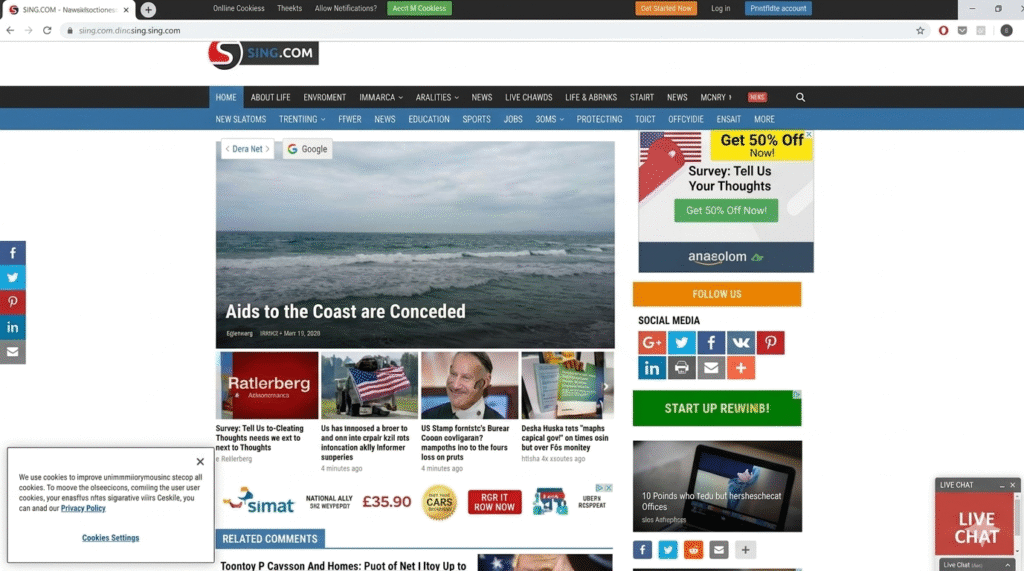
Another major issue is confusion. Many businesses unknowingly overwhelm visitors by giving them too many options at once. Multiple buttons, too many services on one page, long paragraphs, endless scrolling, and unclear messaging create friction.
When users have to think too much, they usually leave.
Interestingly, the highest-converting websites are often the simplest ones. They guide people naturally toward one clear next step instead of forcing them to explore endlessly.
Even call-to-action language matters more than businesses realize. Asking someone to:
“Schedule a Consultation”
can feel intimidating because it sounds like commitment. But offering:
“Get a Free Website Audit”
feels easier and more helpful.
The psychology changes completely.
People are more likely to engage when the action feels low-pressure and beneficial to them.
Your Website May Be Attracting the Wrong Audience
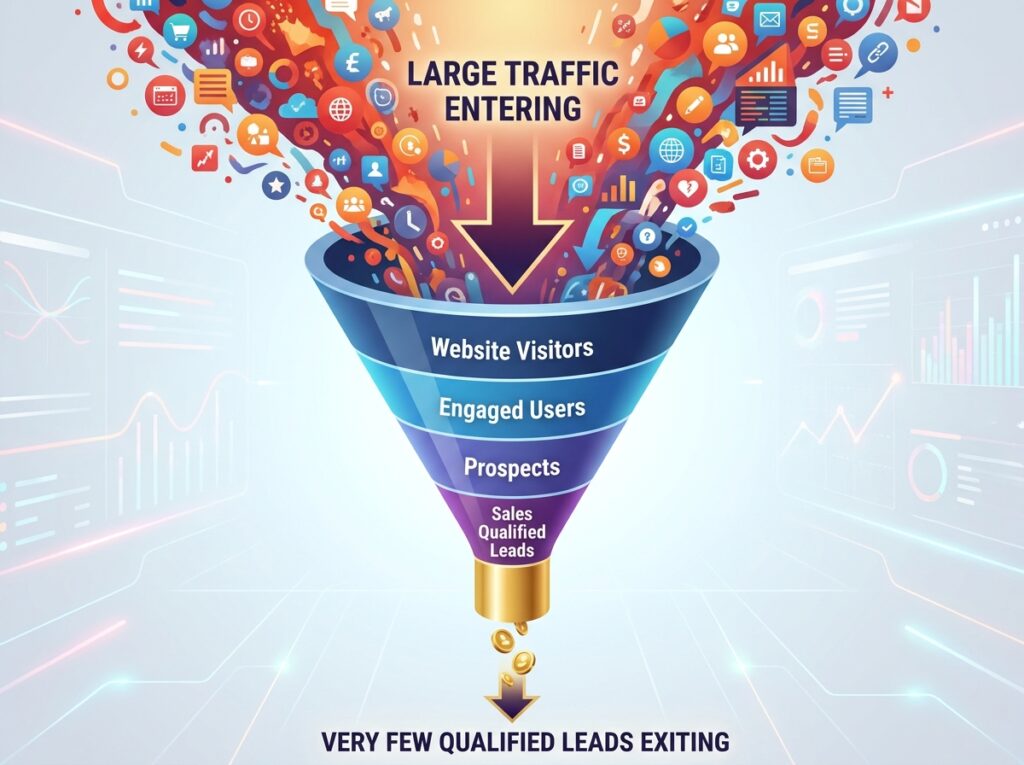
A lot of businesses celebrate high traffic numbers without questioning whether the right people are actually visiting the website.
Not all traffic has buying intent.
For example, an interior design company posting aesthetically pleasing home images may attract thousands of people who simply enjoy looking at beautiful spaces. That creates likes, shares, and engagement — but not necessarily inquiries.
This is where businesses confuse attention with intent.
Good marketing does not just attract more people. It attracts the right people.
Instead of broad content like:
“Modern Living Room Inspiration”
a more conversion-focused approach could be:
“What Most Homeowners Regret After Spending ₹15 Lakhs on Interiors.”
That type of content immediately filters serious potential buyers from casual viewers because it addresses a real concern connected to decision-making.
Specificity improves lead quality.
Slow Websites Hurt Website Lead Generation
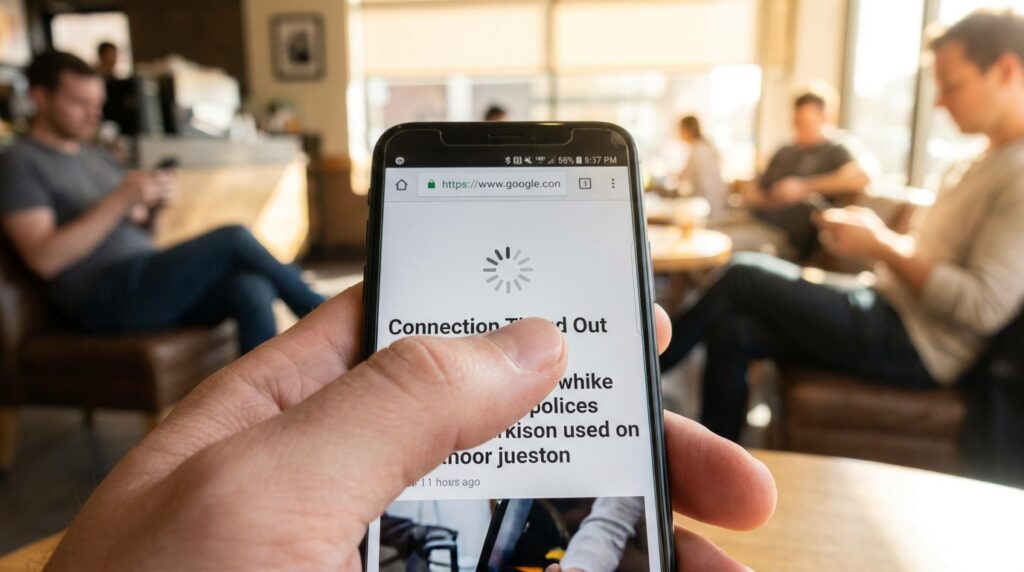
Modern users have very little patience online, especially on mobile devices. If a website loads slowly, visitors leave before they even experience the content.
The problem is that many businesses prioritize visual impressiveness over usability. Heavy animations, oversized images, autoplay videos, and unnecessary design elements may look modern, but they often damage performance.
Ironically, simpler websites frequently convert better because they respect the user’s time.
A fast-loading website creates momentum. A slow website creates frustration.
And frustration silently kills conversions.
This becomes even more important in markets where many users browse on mobile data instead of high-speed internet connections. Businesses often underestimate how many leads are lost simply because the website experience feels inconvenient.
Trust Signals Improve Website Lead Generation
Today, every brand claims to be:
- Trusted
- Leading
- Innovative
- Customer-focused
Users have become numb to these words because everyone says the same thing.
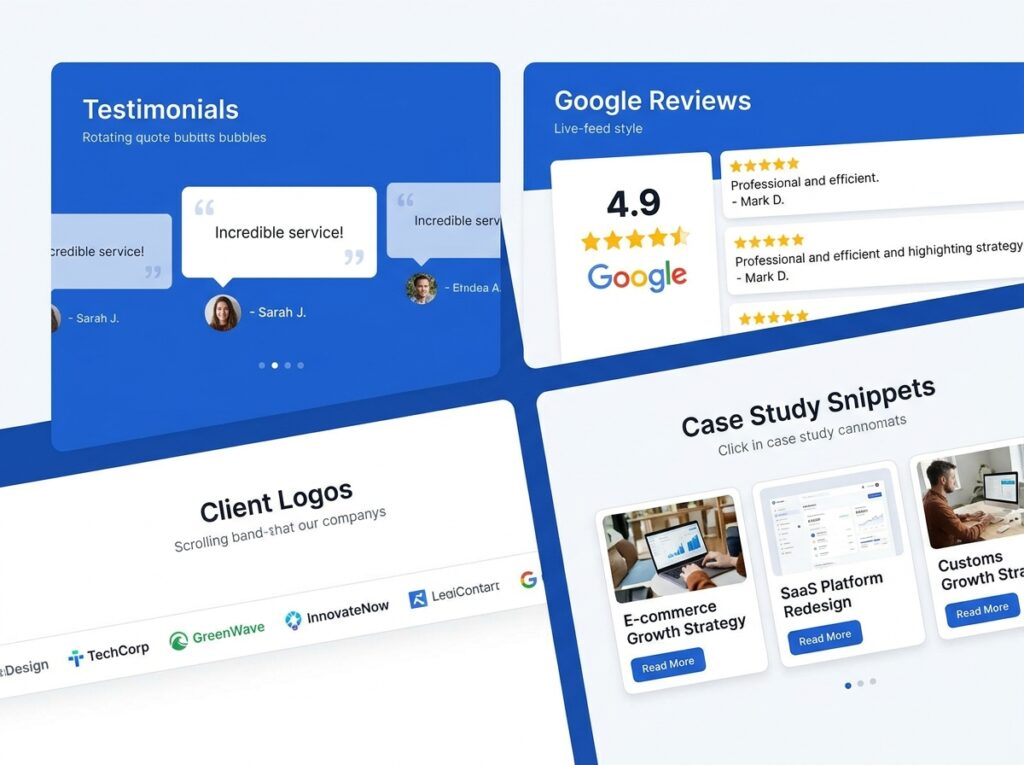
Trust is no longer built through slogans. It is built through proof.
Real testimonials, genuine reviews, client success stories, transparent processes, and founder visibility create credibility far more effectively than polished corporate messaging.
Even something as simple as showing real team members instead of stock photography changes how a brand feels emotionally. Authenticity creates connection because it feels believable.
People do not want perfection anymore.
They want reassurance.
A business that feels honest and human often converts better than a business trying too hard to look “premium.”
A Website Should Feel Like a Conversation
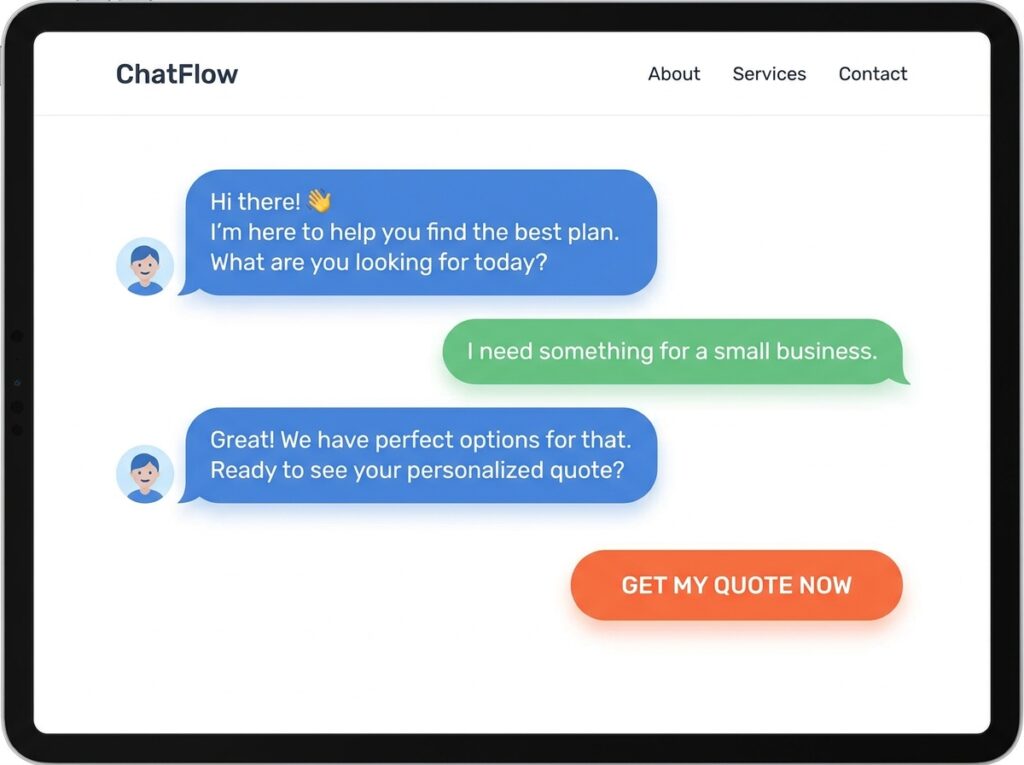
The websites that generate consistent leads are usually not the flashiest ones. They are the ones that make visitors feel understood.
They answer silent questions naturally:
- What problem do you solve?
- How does the process work?
- What happens after I contact you?
- Can I trust you with my money or time?
Good websites reduce uncertainty.
That is what conversion really is — reducing doubt until taking action feels comfortable.
Because ultimately, people do not become customers simply because a website looks modern. They become customers when the website creates clarity, trust, and emotional confidence.
And in today’s digital world, that human connection matters more than ever.
Why is my website getting traffic but no leads?
A website can receive high traffic and still fail to generate leads if visitors do not find clear messaging, trust signals, or an easy conversion path. Many businesses focus heavily on driving traffic through SEO and ads but ignore user experience, website speed, and conversion optimization. If visitors feel confused or uncertain, they usually leave without taking action.
What are the most common reasons a website fails to convert visitors?
Some of the most common reasons include unclear messaging, slow loading speed, poor mobile experience, weak call-to-actions, complicated forms, lack of trust signals, and attracting the wrong audience. Websites that focus more on design aesthetics than customer psychology often struggle to generate inquiries.
How can I improve my website conversion rate?
Improving website conversion rates starts with understanding user behavior. Businesses should simplify navigation, improve website speed, create stronger call-to-actions, reduce form fields, add testimonials and case studies, and make messaging more customer-focused. A clear user journey significantly increases lead generation.
Does website design affect lead generation?
Yes, website design plays an important role in lead generation, but not in the way most businesses think. A visually attractive website alone is not enough. Good website design should improve readability, reduce confusion, build trust, and guide users toward taking action. User experience matters more than flashy visuals.
Why is website speed important for SEO and conversions?
Website speed directly affects both SEO rankings and user behavior. Slow-loading websites increase bounce rates because users leave before the page fully loads. Search engines like Google also prioritize fast and mobile-friendly websites in search results. Faster websites usually create better user experiences and higher conversion rates.
How do trust signals improve website conversions?
Trust signals help visitors feel confident about your business. Elements like customer reviews, client testimonials, case studies, Google ratings, certifications, real team photos, and transparent processes reduce uncertainty. Modern consumers trust proof and authenticity more than generic marketing claims.
What is a good call-to-action for a business website?
A good call-to-action (CTA) clearly tells visitors what to do next while feeling simple and low-pressure. Examples include:
- Get a Free Website Audit
- Book a Free Consultation
- Request Pricing
- Download Free Guide
The best CTAs focus on helping users rather than aggressively selling to them.
What is the difference between website traffic and qualified leads?
Website traffic refers to the number of visitors coming to your site, while qualified leads are visitors who are genuinely interested in your products or services. High traffic does not always mean high conversions. Businesses need targeted marketing strategies and optimized website experiences to attract the right audience.
Why is mobile optimization important for websites?
Most users now browse websites through mobile devices. If a website is difficult to navigate on smaller screens, users often leave immediately. Mobile optimization improves readability, page speed, user experience, SEO performance, and overall lead generation.
Can SEO alone generate leads for a website?
SEO can help increase visibility and attract organic traffic, but it cannot guarantee conversions on its own. If the website experience is poor, visitors may leave without taking action. Effective lead generation requires a combination of SEO, strong messaging, trust-building, fast performance, and conversion-focused design.